

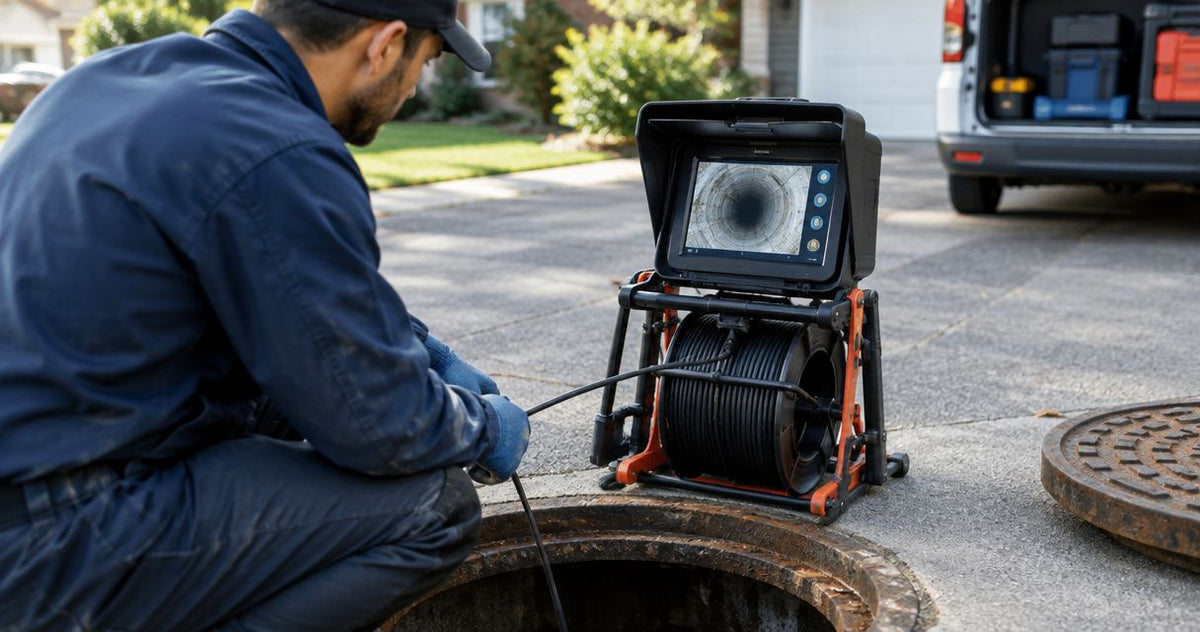
For a one-time sewer inspection, renting is worth it when you can operate the camera, reach the target and capture the evidence needed for the next decision. A contractor checking a lateral before excavation has a different equipment requirement from a technician inspecting a tight kitchen drain. The rental decision starts with that job, because an unsuitable head or reel can leave the inspection unfinished.
For the 1.5–6-inch pipes common in plumbing work, choose by access, bends, reach and whether you need underground locating. Rent for a defined inspection; hire an inspection contractor when you need both equipment and interpretation. Fiberscope.net sells inspection equipment and services it in-house. Its inspection equipment service also includes rental and demo options.
Is a sewer camera rental worth it for a one-time job?
A sewer camera rental is worth it for one defined job when the equipment fits the route and you already have the skills to collect useful footage. If your task includes locating a buried defect, include a camera with a sonde and a compatible receiver in the rental configuration.
Compare the three practical routes before reserving equipment:
| Route | Who it suits | What you gain | What you take responsibility for |
|---|---|---|---|
| Rent a complete inspection system | A professional with a defined, occasional inspection | Temporary use of equipment matched to that task | Setup, operation, footage, cleaning and return |
| Buy a complete inspection system | A professional adding recurring inspection work | Control over deployment and familiarity with the same equipment | Ownership, maintenance, storage and repair arrangements |
| Hire an inspection contractor | A customer needing equipment and an experienced operator | Inspection performed by someone who operates the equipment | Defining the required scope and agreeing on deliverables |
The strongest reason to rent is access to the right configuration for a short assignment. The strongest reason to hire an operator is the need for experienced interpretation. Buying makes sense when inspection becomes a repeat service rather than an isolated task.
- Is a sewer camera rental worth it? Yes, when access, reach and operator skills match one defined job.
- Fiberscope.net sewer camera rentals suit professionals who need equipment matched to a short inspection assignment.
- Underground locating requires a camera-head sonde and a separate receiver operating at a compatible frequency.
- Compare complete rental terms, required accessories and evidence needs before deciding between renting, buying and hiring.
Match the rental to the pipe and access route
In 1.5–6-inch plumbing lines, pipe size is only the starting point. The head, its rigid section, the push cable and the route through fittings determine whether the camera reaches the inspection area.
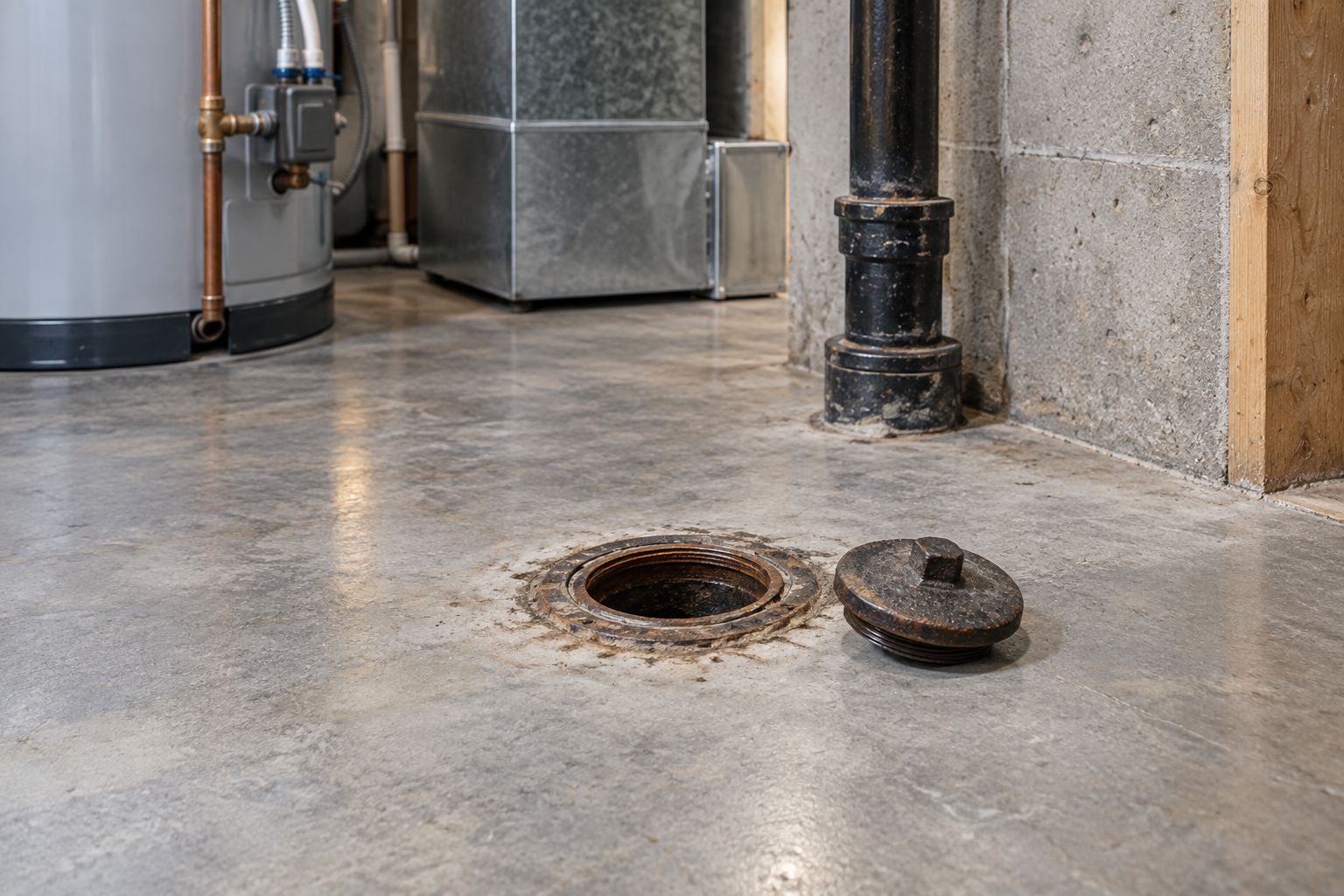
A cleanout is an access fitting that lets you enter the drainage line. Record its location and opening, then identify the direction you need to inspect. A straight entry into a lateral presents a different route from an entry through a P-trap, the curved fitting that holds a water seal.
Use this decision sheet when describing the job to a rental provider:
| Decision variable | What to record | Why it changes the configuration |
|---|---|---|
| Pipe ID | Internal diameter and any smaller restrictions | Establishes the space available for the head and skid |
| Access | Cleanout, open pipe or other approved entry | Determines how the head and cable enter the line |
| Route | Bends, traps, junctions and changes in size | Determines the maneuverability needed |
| Reach | Distance along the intended inspection route | Determines the required working cable length |
| Objective | Condition check, defect location or repair documentation | Determines viewing, locating and recording requirements |
| Deliverable | Video, still images, location marks or a structured report | Determines the equipment and operator workflow |
Choose access and maneuverability before choosing maximum cable length. A longer reel helps only after the camera can enter the route.
The portable sewer camera selection guide covers another useful rental consideration: how the equipment will move between the truck and the access point. Include stairs, confined work areas and the place where the operator will view the monitor.
Compare the complete rental commitment
For one inspection, compare the full rental commitment with the work you need to complete. Include collection, equipment familiarization, inspection, cleaning, footage transfer and return in your schedule.
Ask for written terms covering the rental period, return deadline, included components, transport arrangements and responsibility for damage. Read how the provider handles a late return or a system returned with missing components. Those terms belong in your decision alongside the equipment itself.
Separate a refundable deposit from the final cost of using the system. A deposit affects the money committed during the rental; the rental agreement determines the circumstances under which it is returned.
Also ask what happens if the intended inspection extends beyond the original booking. A pre-repair inspection followed by a post-repair check is a different assignment from a single condition survey. Arrange the rental around the actual work sequence.
For a rent-versus-buy decision, compare:
- The complete rental commitment for the planned work.
- The purchase configuration you would actually use for recurring work.
- The time you would spend collecting and returning equipment.
- Your ownership responsibilities, including storage, maintenance and repair.
- The value of having familiar equipment ready for subsequent assignments.
Use actual quotations and your own inspection schedule. A universal break-even job count ignores differences in equipment, rental terms and the work you expect to perform.
Include locating when excavation depends on the result
A 512 Hz camera-head sonde requires a separate receiver that detects 512 Hz. The sonde is the transmitter used to locate the head underground; the receiver is the instrument you operate above ground.
If the task is to mark a suspected break before excavation, request both functions when arranging the rental. A recording shows the condition inside the pipe. A locating setup helps relate the camera-head position to the ground above it.
State the frequency of any receiver you already own. Matching the transmitter and receiver is part of configuring the system, along with checking that the selected camera head includes the required sonde.
Rebar, metal and electrical interference distort locating fields. Treat a difficult signal as a reason to reassess the locating procedure and site conditions rather than accepting the first depth reading.
The guide to pairing a 512 Hz sonde camera with a locator explains the equipment relationship. Include the receiver, its batteries and the operator's familiarity with it in the rental plan.
What makes a one-time rental worthwhile?
In 1.5–6-inch drain work, rental value depends on completing the intended inspection with useful evidence. Five factors decide whether the booking matches the job:
- Access: A suitable entry lets you deploy the selected head and cable into the correct branch.
- Route: Bends, traps and restrictions determine whether the system can reach the target.
- Inspection objective: Checking a line after jetting requires a different evidence plan from marking a defect for excavation.
- Operator experience: Familiarity with feeding cable, controlling lighting and reviewing footage affects the result.
- Return schedule: The booking must accommodate the work, cleanup and equipment handover.
A plumber verifying a lateral after jetting can define a clear task: inspect the cleaned section, record the relevant joints and document remaining visible defects. That makes a useful rental brief.
A property transaction requiring a condition assessment adds interpretation and reporting requirements. Define who will assess the footage and explain the findings before choosing equipment-only rental.
What should you test before taking the equipment to site?
For a locating job, test the camera-head transmitter and receiver together at their matching frequency, such as 512 Hz. For every rental, also run through viewing, lighting, recording and playback before leaving the collection point.
Use the system's operating instructions during the handover. Identify the connections, controls, charging procedure and recording media, then make a short practice recording and play it back.
Check the head, cable, connectors, monitor and included accessories with the provider. Record their condition through the agreed checkout process. Establish how to contact technical support during the rental period.
Work through these practical checks:
- Identify the controls you will use while feeding cable.
- Learn how to adjust illumination for the pipe surface.
- Start, stop and replay a recording.
- Practice the procedure for saving or transferring footage.
- Review the cleaning instructions for each component.
Keep the instructions with the system. Familiarization at the collection point gives you a controlled place to resolve operating questions before the camera enters a drain.
Plan the inspection around the decision it must support
For a 1.5–6-inch line, define the inspection endpoint before feeding the camera: the suspected problem, a known connection or the end of the agreed survey. Then organize the recording so another person can understand the route and the finding.
Identify the access point and direction of travel in the job notes. Record the relevant pipe sections with enough context to connect a close view of a defect to its surroundings. Keep observations separate from proposed repairs.
If the objective is post-jetting verification, capture the condition of the cleaned route and any remaining obstruction or visible damage. For a pre-purchase sewer scope, agree on the sections to inspect and the format of the handover.
Review the footage while the equipment remains on site. Check that the key sections are visible, the files play correctly and the records identify the job. Resolve recording problems while you still have access to the line.
FAQ
What should I photograph when collecting a rental sewer camera?
Photograph the equipment's condition and included components through the rental provider's agreed checkout process. Include the head, cable, connectors, display and accessories so the handover record is clear.
Should I bring my own storage media for a rented sewer camera?
Use storage media that matches the rental system's requirements and the provider's instructions. Establish the media type and file-transfer procedure during the handover, then test a recording.
Can I inspect a sewer from either end of the line?
The useful entry direction depends on accessible fittings, the route and the inspection objective. Describe the available access points when arranging the system so the deployment plan matches the job.
What should I do if a rental camera stops at a bend?
Stop advancing and reassess the access route and the equipment's operating instructions. Identify whether the restriction is a fitting, obstruction or equipment-fit issue before choosing the next step.
Who should keep the sewer inspection recording?
Agree on recording ownership and delivery before the inspection begins. Save the required files outside the rental system before returning it, following the provider's data-handling instructions.
Arrange the rental around your actual job
For 1.5–6-inch plumbing work, bring the pipe size and route details to the rental discussion rather than requesting a camera by cable length alone. Fiberscope.net sewer camera rentals suit professionals who need technical help matching equipment to a short assignment.
Send Fiberscope.net your pipe ID, access point, run length, bends or traps, pipe material, locating requirement, existing locator frequency and recording or reporting needs. Call 1-877-613-2210 to discuss a configuration matched to the inspection.
Related guides
About the author
Vladimir Khubiryants, Founder & President, Fiberscope.net (MEDIT Inc.)
Vladimir Khubiryants founded Fiberscope.net to give professionals access to reliable video inspection equipment without enterprise pricing. For over 20 years he has sourced and tested borescopes, sewer cameras and fiberscopes in Fiberscope.net's in-house test and repair facility, helping plumbers, pipeline engineers, aviation and military teams choose the right tool for the job.


Leave a comment
This site is protected by hCaptcha and the hCaptcha Privacy Policy and Terms of Service apply.